Equipping the Working Team: Function Over Fashion
Choosing the right gear for a service dog is a matter of safety, clear communication, and operational success. The market is flooded with tactical vests and flashy patches, but a true working team needs equipment that is reliable, durable, and suited to the dog’s physical build. For smaller breeds, gear selection requires an even higher level of scrutiny to ensure it does not overwhelm their frame or inhibit their movement.
To help you cut through the marketing noise, we categorize service dog gear into two distinct groups: the non-negotiable essentials you need from day one, and the advanced tech options that enhance your daily operations.
Category 1: Essential Gear (The Non-Negotiables)
These are the foundational tools required to safely manage, identify, and train your dog. Every service dog team needs to invest in high-quality versions of these core items, though timing is everything:
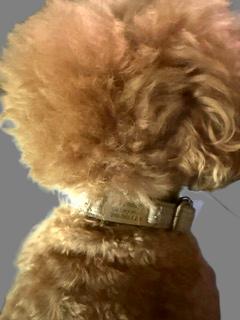
– Flat Collars & Puppy Slings (Early Phase): A standard, lightweight flat collar is all you need for a young puppy at home. Crucially, if you want to take a young puppy out in public for early socialization before they have completed their full round of shots, their feet must never touch the ground due to the high risk of disease. A soft cloth puppy sling or carrier is an absolute necessity during this phase to keep them safe while exposing them to public environments.
– Martingale Collars (Training Phase): Once your puppy is fully vaccinated and you actively begin formal leash work and obedience commands, you will need to transition to a martingale collar. This provides a safe, gentle, and escape-proof slip that ensures precise physical communication without choking.
– Professional Identification & Vests: While the ADA does not legally require service dogs to wear a vest, utilizing a clean, professional, and properly sized vest or harness helps prevent public access disputes and clearly signals to the world that your dog is working.
– Adaptable Public Access Mats: A lightweight, easily packable place mat or towel that teaches your dog exactly where their boundaries are when settling under tables or on varied public flooring.
Category 2: Nice-to-Haves (Advanced Tech & Convenience)
Once your essentials are locked in, secondary gear and technology can add layer of safety, convenience, and modern tracking to your routine:
–– GPS Trackers & Smart Collars: Advanced tracking devices (like Whistle or Fi) offer real-time location security and monitor daily health metrics, sleep quality, and activity levels.
– Specialized Training Aids & Tech: Specialized tools like training dumbbells (essential for shaping a clean hold and fetching items via the “get it” command), fake doorbells for alert conditioning, and custom pull aids or tug straps. While these are incredibly useful when actively shaping specific skills, they are not day-one essentials—handlers can easily build their own or use everyday household substitutes. You can also utilize tech like remote treat dispensers or distance clickers to reward behaviors from afar.
– Environmental Comfort Gear: Climate-specific items like protective dog boots for hot asphalt or salted winter sidewalks, and cooling vests for high-temperature environments.